
How should I prepare?
Good preparation helps reduce risks and supports a smoother experience on the day of surgery.
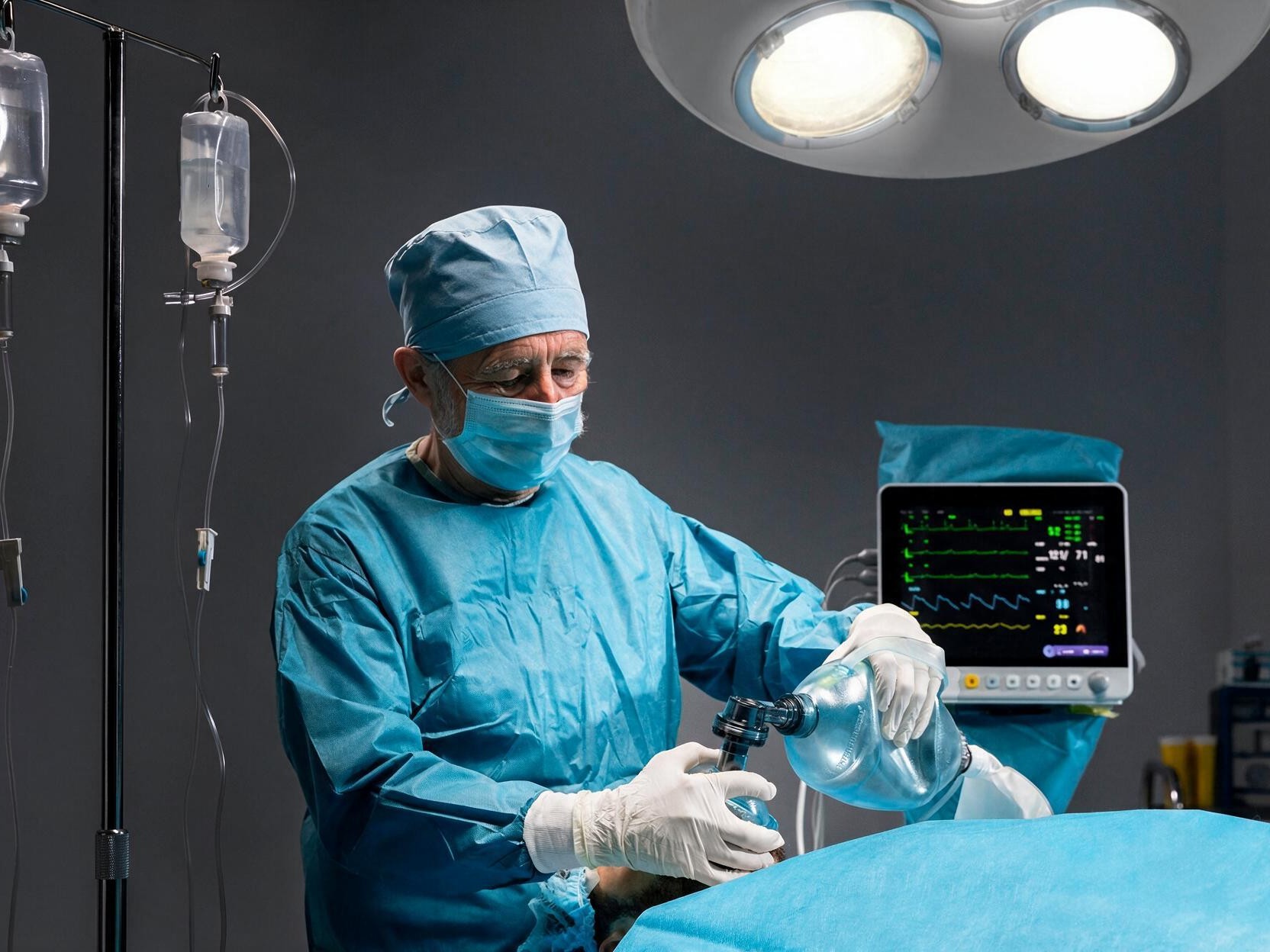
For most patients, anaesthesia today is extremely safe. Anaesthetic practitioners are trained to monitor every aspect of your body during surgery, including your breathing, heart rate, and oxygen levels.
You are continuously observed throughout your procedure, with adjustments made in real time to keep you stable and comfortable.
Modern anaesthesia uses carefully selected medications and techniques to minimise risk and support a smooth recovery. Advances in training, monitoring, and medication have made anaesthesia safer than ever before.
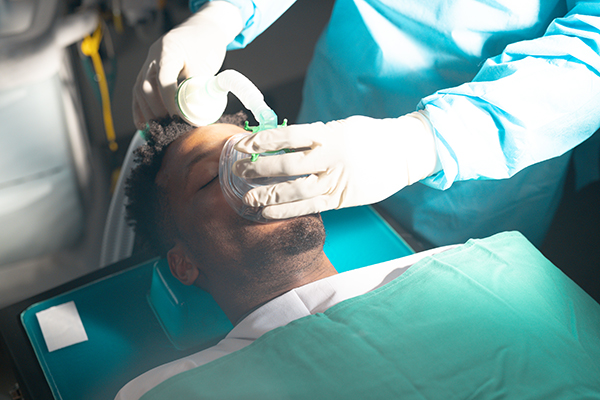
Preparing for surgery can feel overwhelming. Questions about anaesthesia, safety, and what to expect are completely normal. This page is here to guide you through each step, so you feel informed and more at ease.
Anaesthesia is carefully planned for each patient. Your anaesthesiologist will assess your health, your procedure, and any concerns you may have to ensure your care is appropriate and safe from start to finish.
Good preparation helps reduce risks and supports a smoother experience on the day of surgery.

You will usually be asked not to eat or drink for a specific period before your procedure. This is important to reduce the risk of complications during anaesthesia. Always follow the exact instructions provided by your surgical team.

Some medications should be continued, while others may need to be paused. You will be advised on this ahead of time. If you are unsure, it is important to ask before your procedure.

Taking a few moments to prepare properly can make a meaningful difference to your experience.
NB!! Your anaesthesiologist needs to know every aspect of your medical or surgical history to provide the best possible outcome for you.
Anaesthesia is not one-size-fits-all. The type used depends on your procedure, your medical history, and what is most appropriate for your safety.
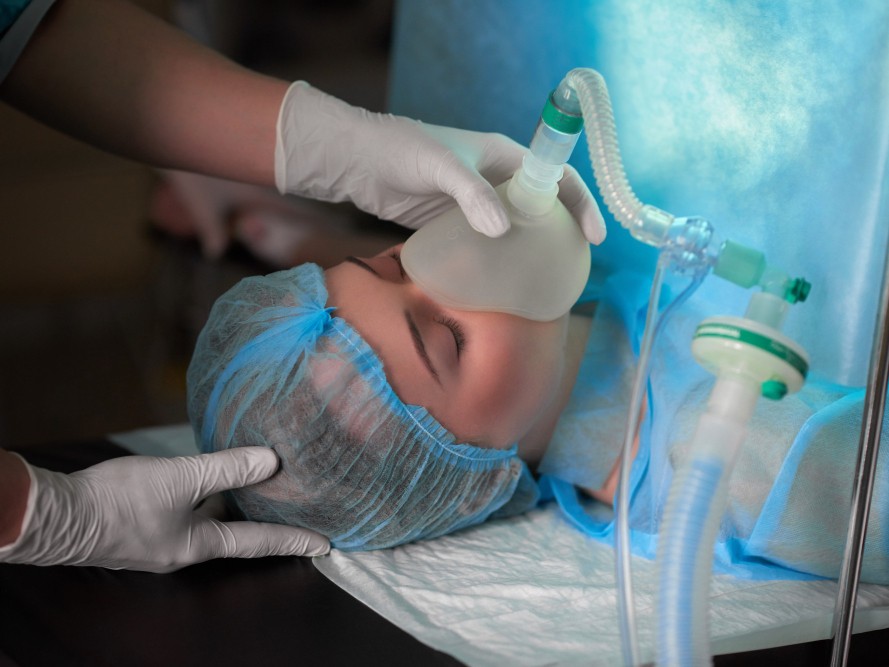
You are fully asleep and unaware during the procedure and carefully monitored by your Anaesthesiologist to prevent awareness.
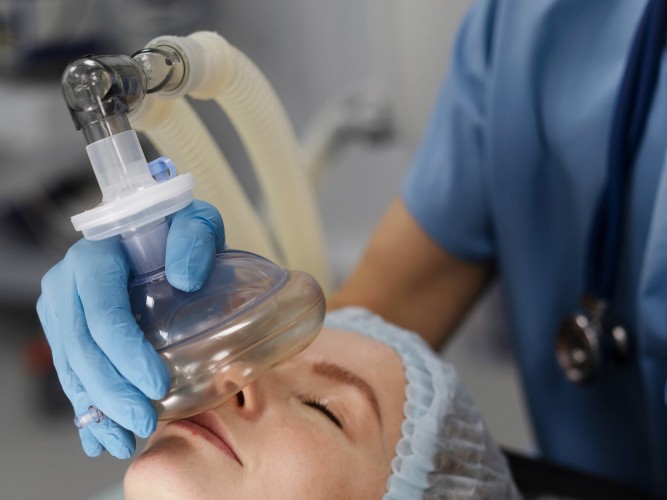
You are relaxed and may feel drowsy or lightly asleep, but not fully unconscious.
Only a specific part of your body is numbed. Follow the links to the official SASA Website to learn all the risks involved:
Your anaesthesiologist will explain which option is recommended and why. More than one might be required.